The City of Oaxaca and the archeological site on Monte Albán
After taking our first long distance bus to Oaxaca, we explore the city and check out Monte Albán.
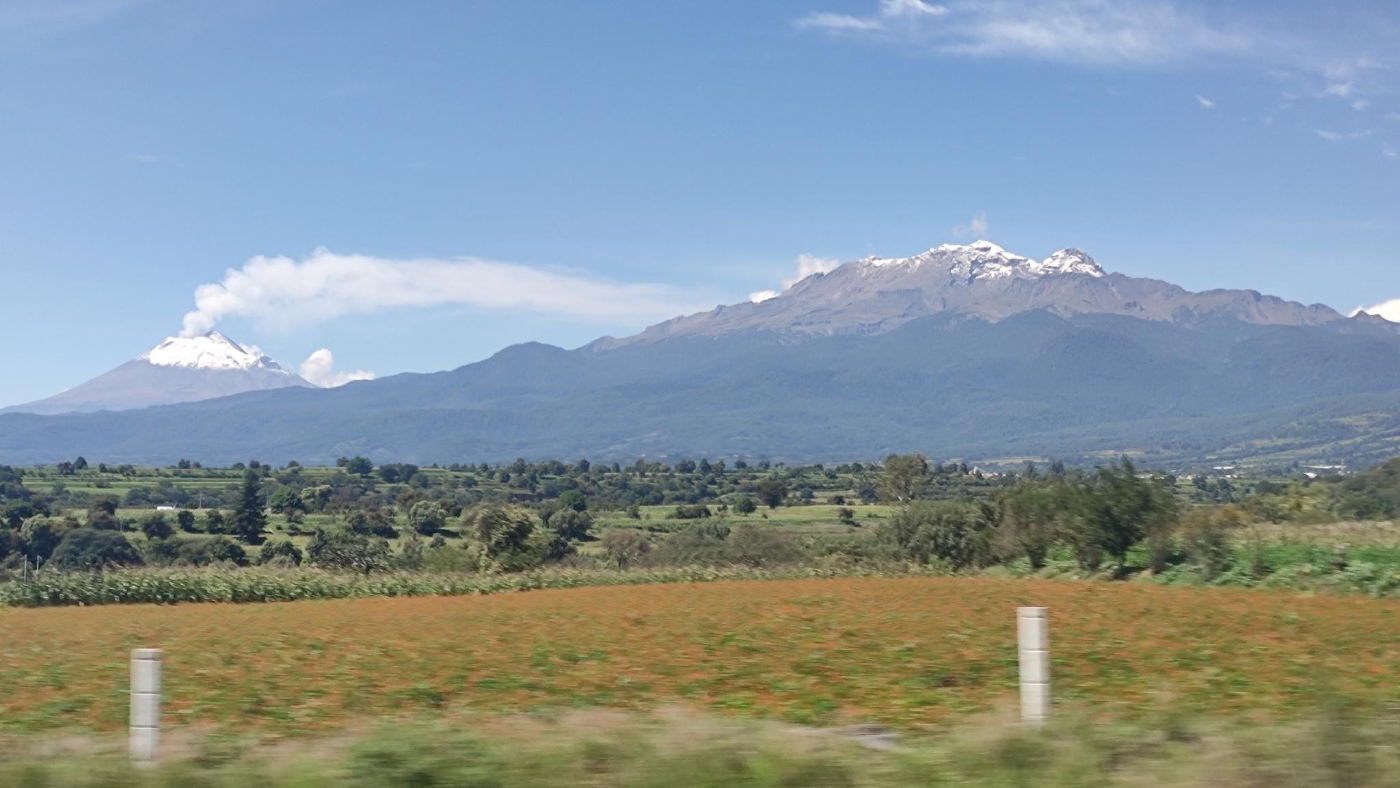
From Mexico City we continued our journey by taking our first long distance bus to the capital of the state Oaxaca, called Oaxaca de Juárez. The bus ride was very comfortable, on time and well-organized - way better than the cheap European bus companies we are used to. While driving out of Mexico City, we noticed a weird-looking mountain with clouds seemingly coming out of the mountain. “Almost like a volcano” we thought. A quick Wikipedia search proves our assumption. We were looking at the Popocatépetl, an active stratovolcano!
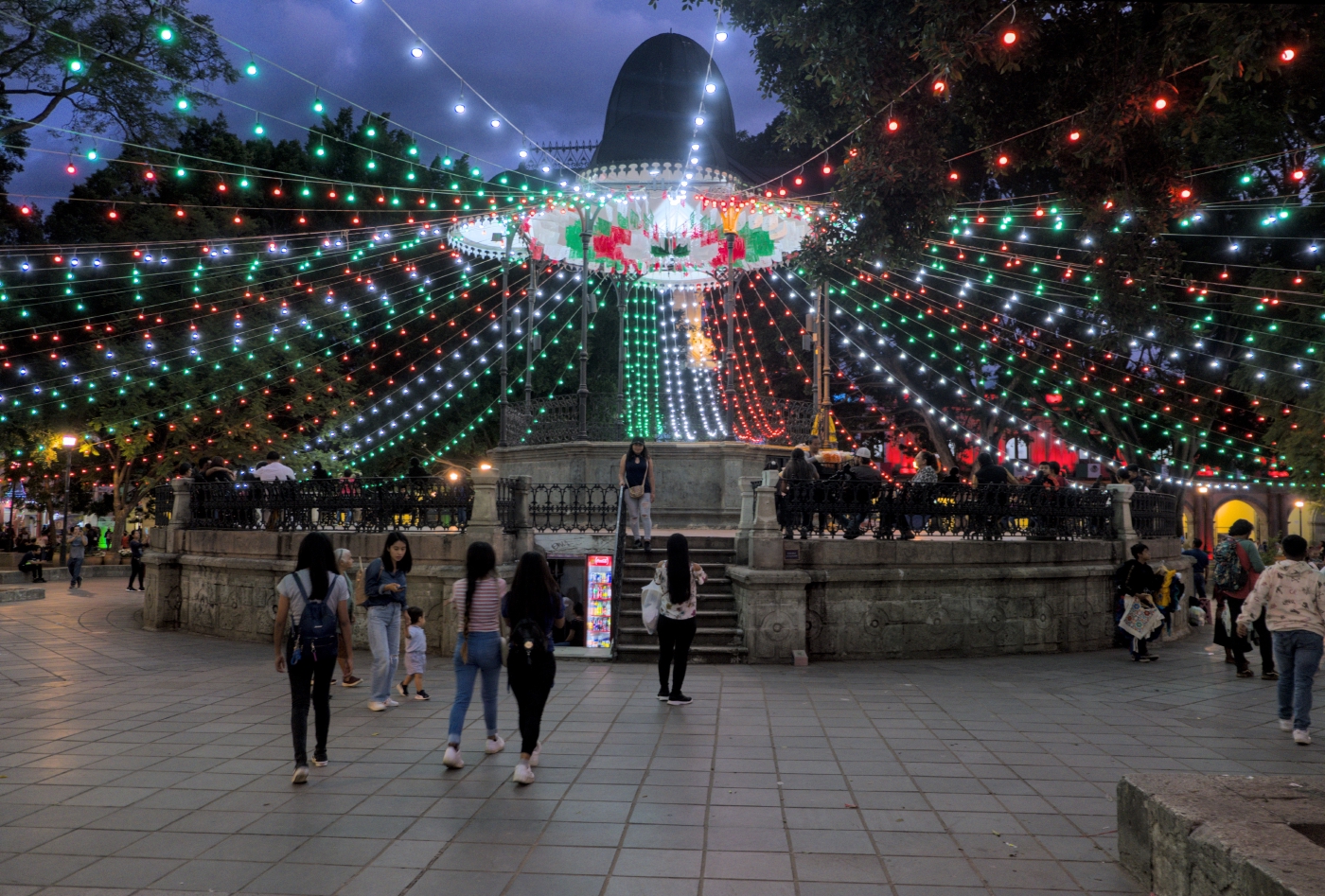
We arrived in the evening and walked to our hostel. Our route led us straight through the city center so we could experience the city right away. We immediately notice the difference to Mexico City: Oaxaca is way smaller (easy if you compare any city to the metropolis that Mexico City is) and calmer. After roughly 30 minutes of walking, our hostel was in sight. When we entered we were not surprised anymore that the people working at the reception don’t know any English, contradictory to what the name “International Hostel” might suggest. After organizing a few things in our hostel room, we headed to the city center once more, just without the about 20 kg worth of luggage each of us brought. We find the main square of the city, which was already decorated for the independence day. In the fading daylight, the light strips shining in the colors of the Mexican flag turned the square into a really comfy place. As always, we could see many people dancing and just enjoying life.
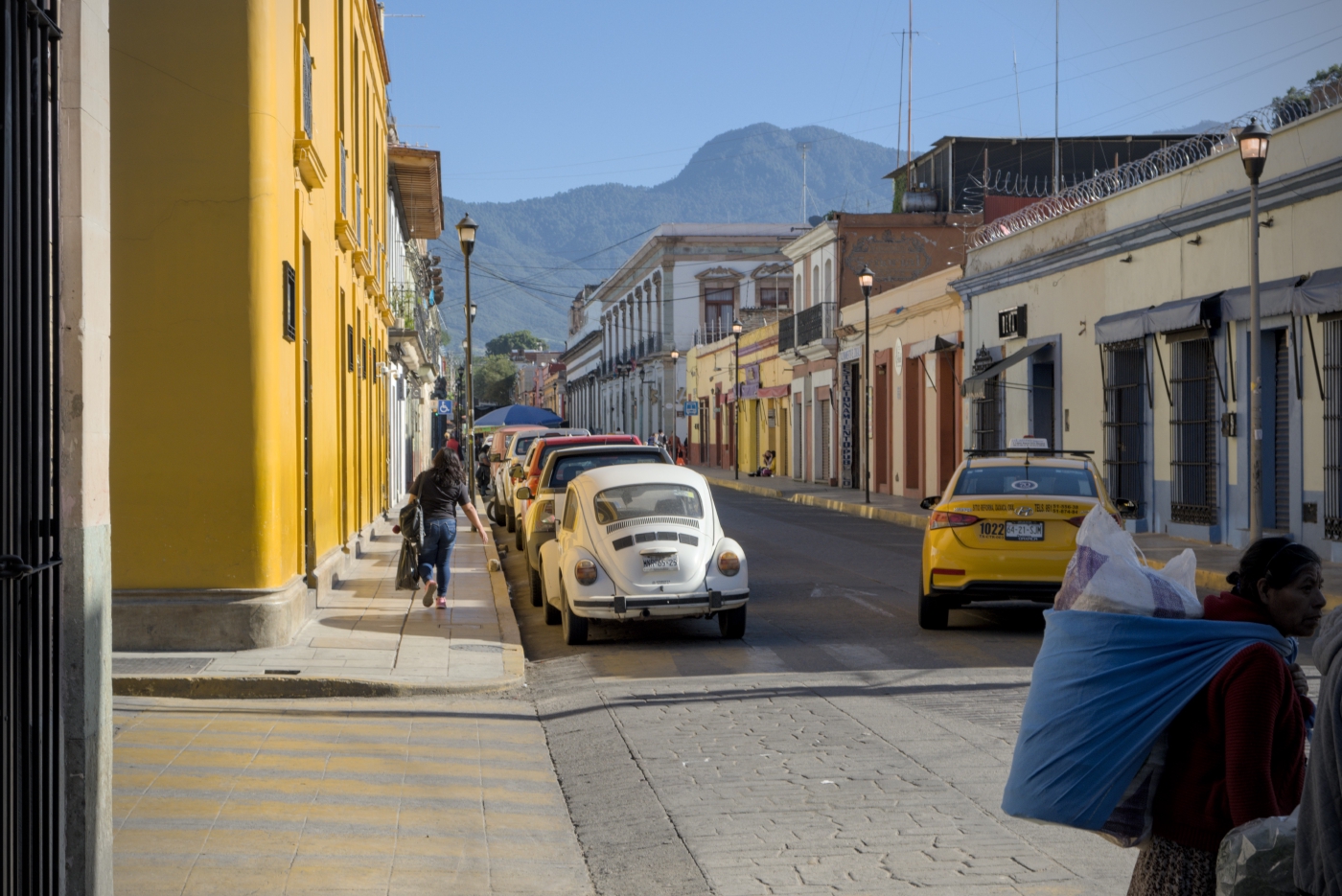
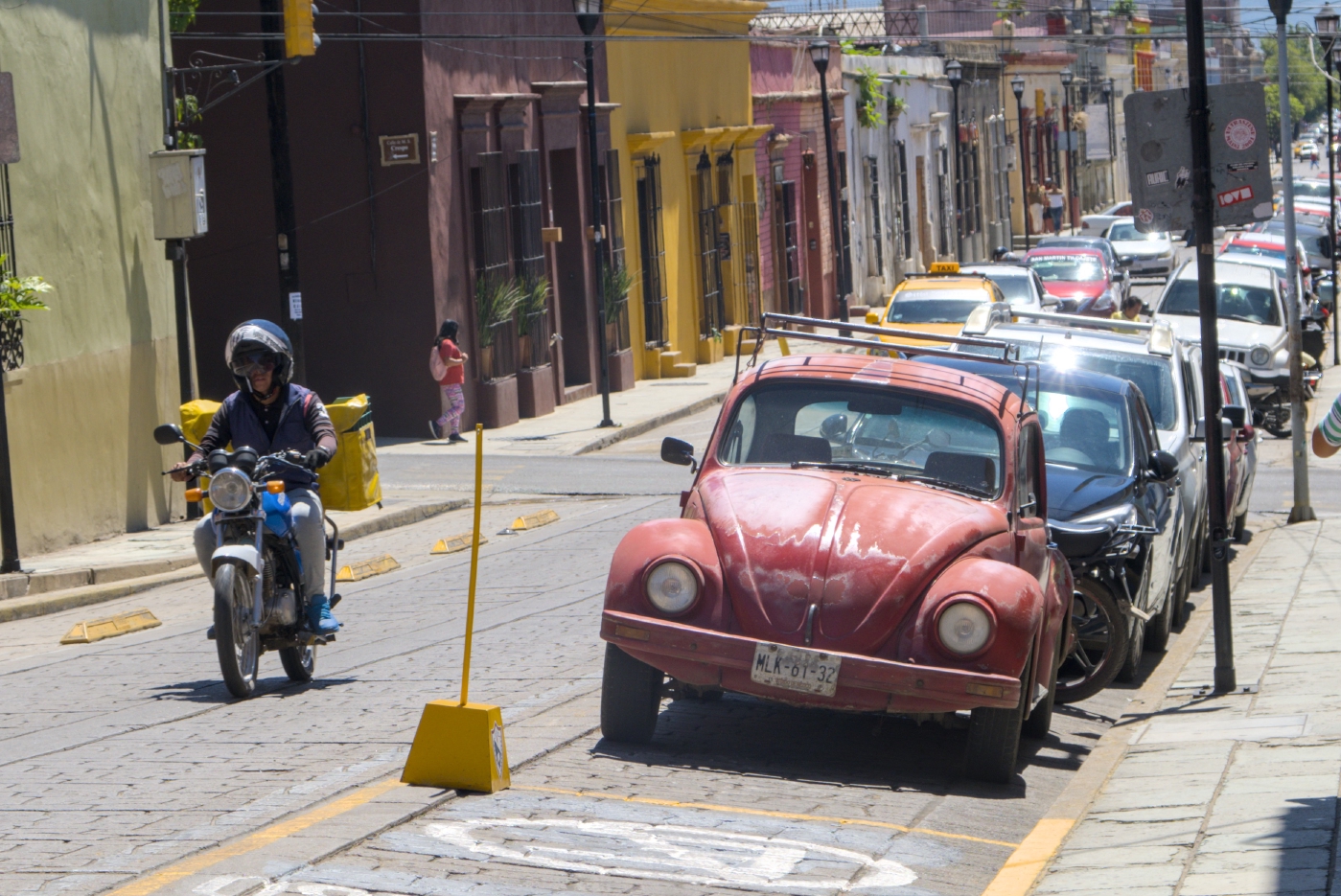
The next day we continued walking through the city and visit the most important sights. Like in Mexico City, we really liked all the colorful houses and noticed that there are many old Volkswagen Beetles in the city.
Whenever we got hungry, we did not want to “waste” a meal by eating something we already know. Instead, we went to the local markets, food stands, or bakeries to try the delicious traditional food of Oaxaca, such as Tlayudas, Tamales, Mole and much more.
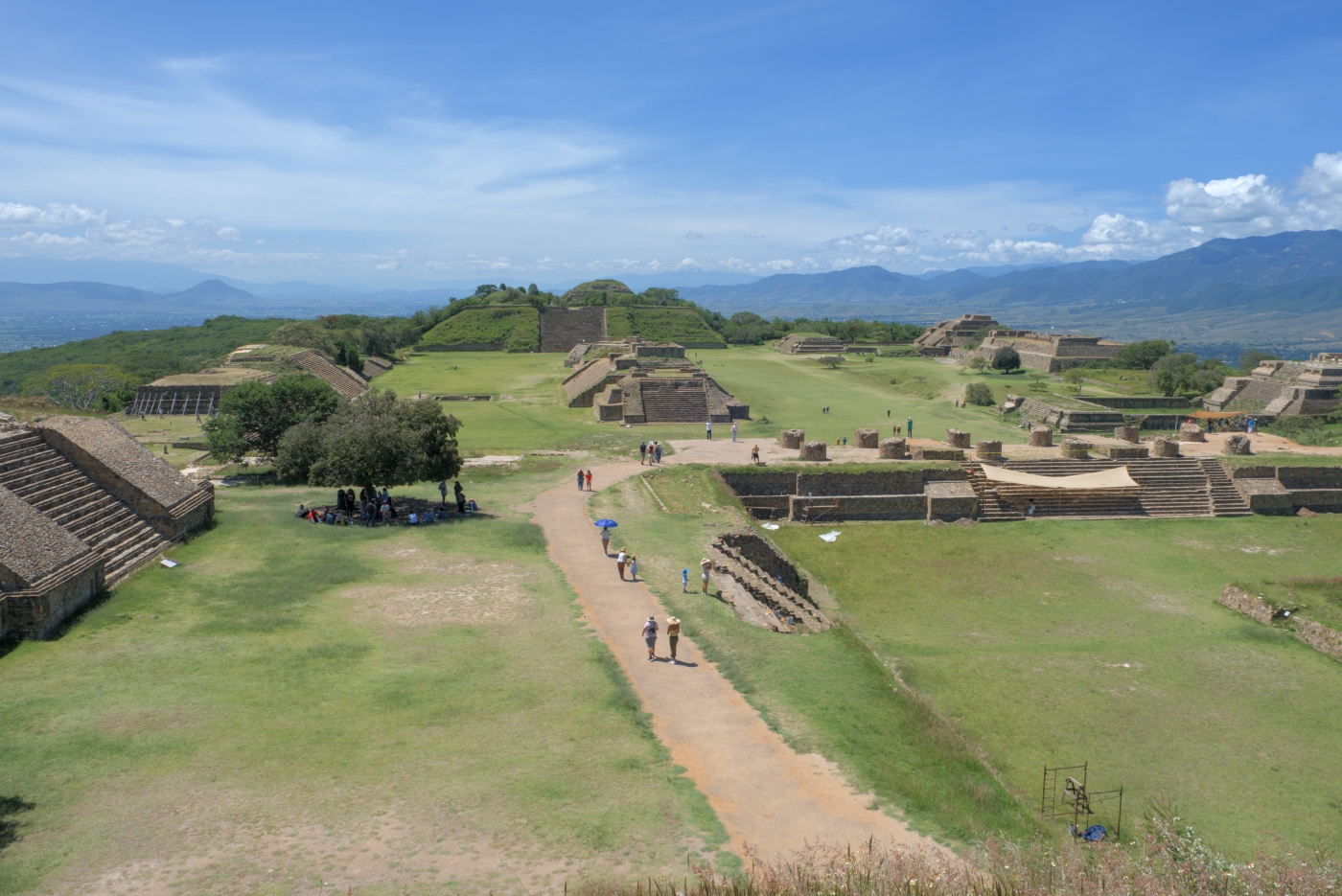
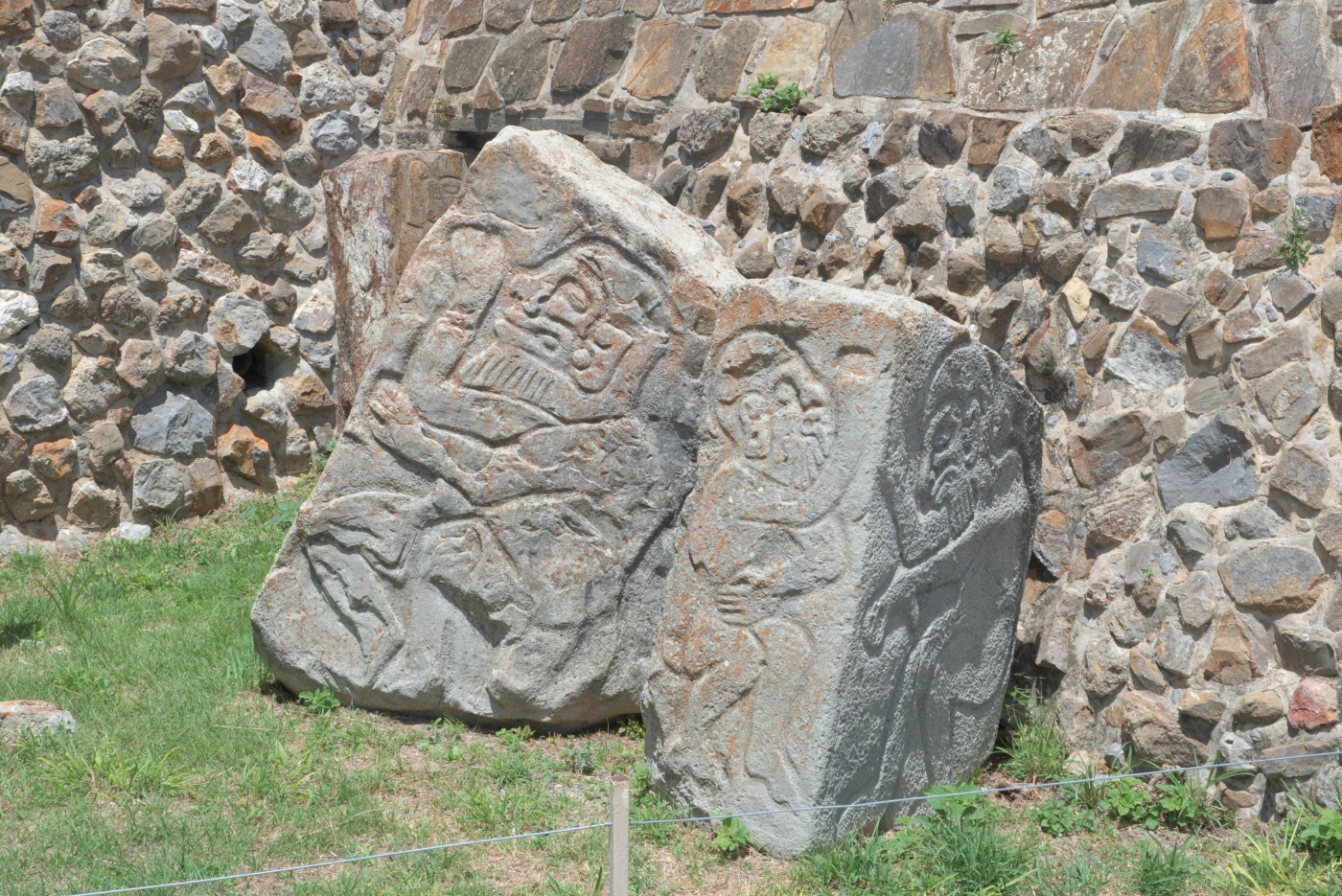
On our second day in Oaxaca, we took a small bus to the archeological site on Monte Albán, where you can see ancient pyramids similar to the ones we saw in Teotihuacán. Depictions of gods and ancient artwork prove that the people living on Monte Albán and in the surrounding valley where in contact with the people at Teotihuacán as early as 300 - 500 A.D. The first settlers came to Monte Albán 800 - 300 B.C. followed by mixtec and zapotec settlers. 900 A.D. the place was abandoned and only served as a cemetery until the Aztecs conquered the site. What makes Monte Albán different from Teotihuacán are the well-preserved stone carvings depicting people, called the “Danzantes”. The names stems from the first interpretation that they show people dancing. However, nowadays it is believed that they show tortured people - close enough to confuse them with dancers, right?!
In our next post, we will take you to the petrified waterfalls “Hierve el agua”!